
Florida-based. On site at your plant or in an R&D lab.
Regions
GBET is based in Florida and works on site at customer plants. Gene has worked in plants across the United States and abroad. This page sets out what extrusion manufacturing looks like in each region, with sourced figures.
Asia Pacific accounts for the largest share of the world wire and cable market, and China alone produced about 39% of the world’s insulated wire and cable by volume in 2024.
North America is a smaller share of a growing market, but it is where grid investment, reshoring and medical device manufacturing are adding extrusion capacity and where experienced operators are hardest to replace.
Source: Global Market Insights, wire and cable market. Europe and Middle East and Africa shares are calculated from the publisher’s dollar figures. Other publishers put Asia Pacific lower, at about 38%.
The US plastics industry shipped $550.7 billion of goods and employed 1,066,500 people in 2024. Texas, Ohio, Michigan, California and Pennsylvania are the five largest states by plastics employment.
Reshoring and foreign investment announcements accounted for 244,000 manufacturing jobs in 2024, many in plants that need trained extrusion crews from day one.
Canada had 1,803 employer establishments in plastic product manufacturing in 2025, with 827 in Ontario and 502 in Quebec.
Wire and cable sold in Canada is certified to CSA standards, which differ in detail from UL requirements across the border.
Mexico is one of the world’s largest producers of automotive wire harnesses. Industry organisers count more than 300 harness companies and more than 600 plants, over 150 of them in Ciudad Juárez.
Medical device manufacturing is concentrated along the border, with Tijuana the best-known cluster.
Costa Rica exported more than $8.5 billion of medical and scientific equipment in 2024 and hosts more than 90 multinational life sciences companies.
The Dominican Republic reported a record $2.25 billion in medical device exports, 31% of its free-zone exports.
Europe has around 50,000 plastics converting companies, most of them small and medium-sized, employing more than 1.6 million people.
Products are built to IEC and European standards, and medical tubing falls under the EU Medical Device Regulation.
Asia Pacific is the largest regional market for wire and cable and for extruded plastics, and a major source of extrusion equipment.
India’s cables and wires industry was forecast to grow revenue by 15 to 16% in fiscal 2026, on power and infrastructure spending.
Sources: Plastics Industry Association, Size and Impact 2025; Reshoring Initiative, 2024 data; Innovation, Science and Economic Development Canada; Mexico Industry, citing Expo WireTech organisers, 2023; CINDE Costa Rica; Medical Technology, September 2025; European Plastics Converters; Crisil, via IANS, March 2025.
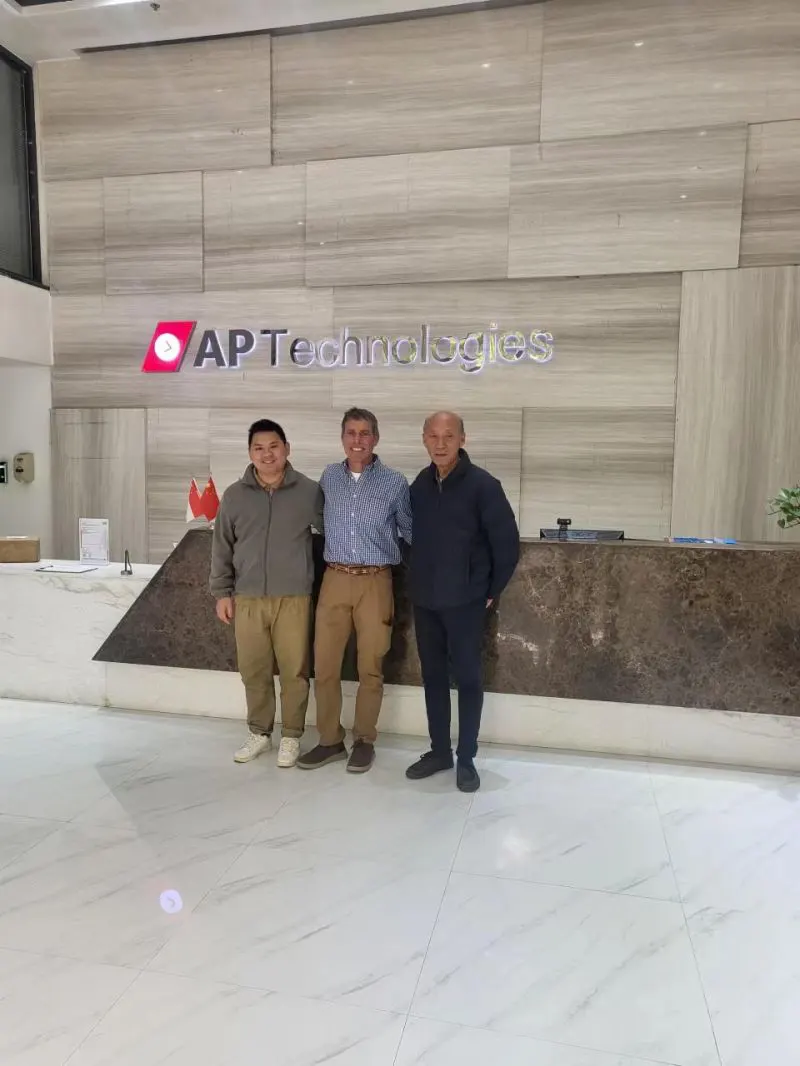
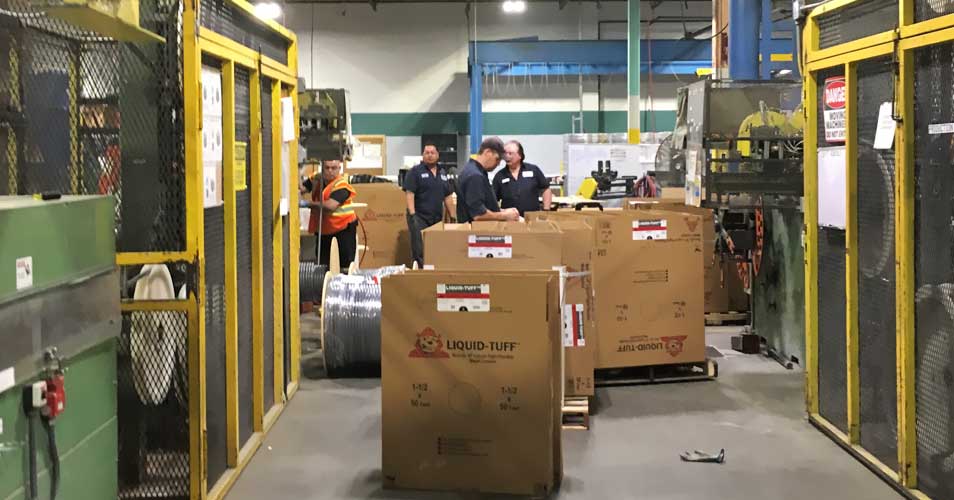
Extrusion problems are solved at the extruder. Whether the plant is in the next state or another country, the work is done the same way: on the floor, with the people who run the line.
Pictured left: China, 2024.
Yes. GBET is based in Florida and the work is done on site at customer plants, or in an R&D lab where that suits the project better.
With the product and the people. Reshored lines often start with new equipment and crews who have never run extrusion. Due diligence and equipment selection come first, then training that begins before the line is commissioned so that operators are ready when it starts.
The process fundamentals are the same. What differs is the product standard your constructions are certified to, which can change dimensions, materials and tests. GBET works on a process that makes conforming product. Certification itself is handled with your certification body.
Gene has worked in plants abroad as well as across the United States. Tell us where the line is, what it makes and what language your crews work in, and we will work out how to make a visit effective.
Turnover is the strongest argument for it. When people change often, the plant cannot rely on what individuals remember. Written start-up and changeover routines and a set-up method that every shift follows keep the line stable while new people learn.
Not to the physics of the process. Dimensions, materials and test requirements differ from North American standards, and those feed into tooling selection and process settings.
Yes. Equipment and vendor selection is a core service: matching the extruder, tooling and downstream equipment to your product, comparing quotations on what matters, and supporting the purchase negotiation.
In English. If your crews work in another language, say so at the start so that an interpreter or a bilingual lead can be part of the sessions.
Tell us what the line is doing, what it should be doing, and what cannot change. You will get a plain answer on whether training, tooling, equipment or process work is the right place to start.
We use cookies to improve your experience on our site. By using our site, you consent to cookies.
Manage your cookie preferences below:
Essential cookies enable basic functions and are necessary for the proper function of the website.
You can find more information in our Cookie Policy.