
Gene Brown: Extrusion & Curing Process Woes Is Our Specialty
Gene Brown on why he started Gene Brown Extrusion Techniques, how a project gets defined, and a feed problem on a new line that came down to land length, draw-down ratio and die gap.
Florida-based. On site at your plant or in an R&D lab.
Extrusion training and consulting
More than 40 years of plant-floor extrusion experience, brought to your operation as hands-on training, equipment and tooling guidance, and process troubleshooting.
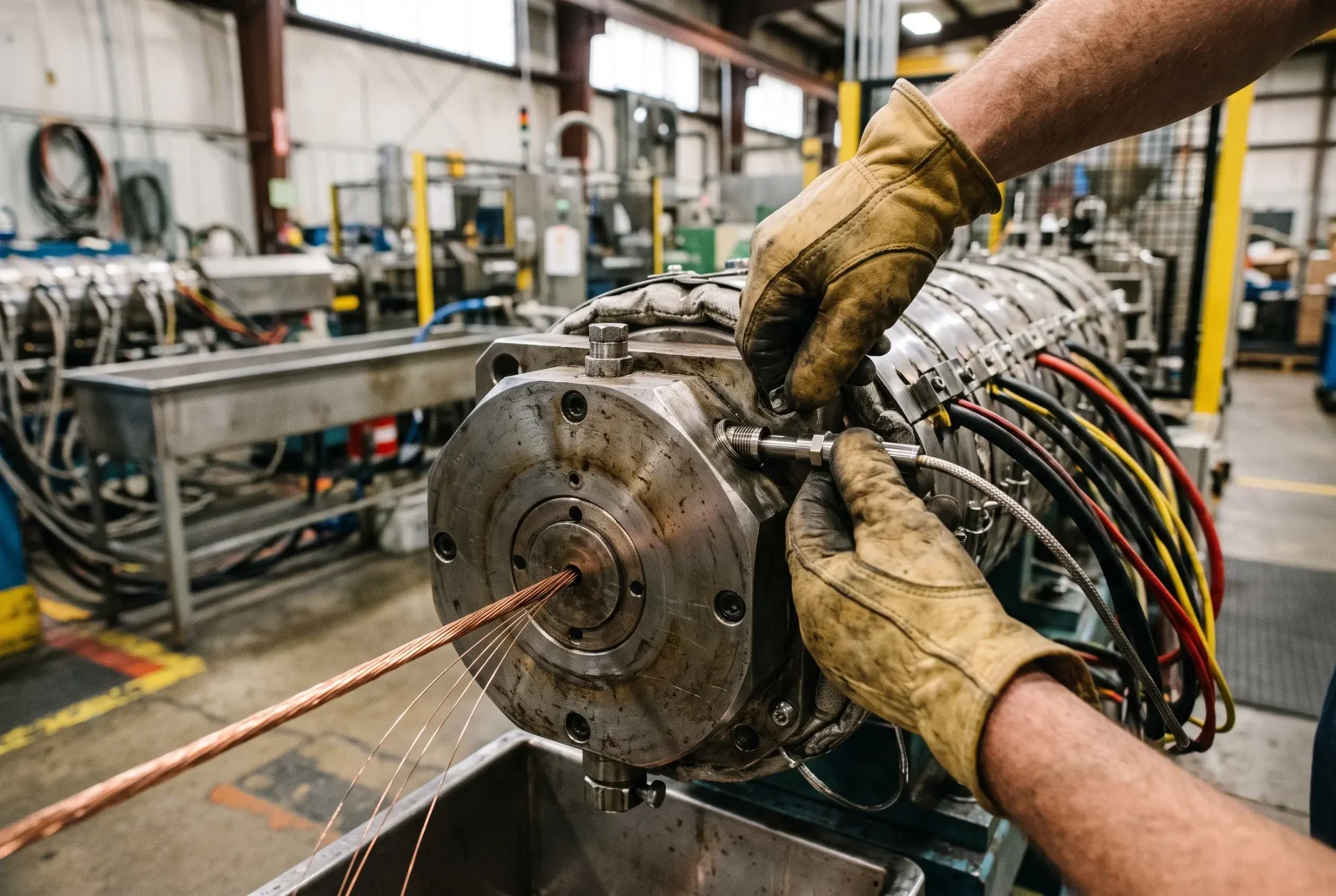
Since 1979
On the plant floor, in the R&D lab and at customer lines
40+ years
of hands-on extrusion experience, from operator to operations management
½ in. to 8 in.
extruders worked on, from under a pound an hour to thousands of pounds
5 layers
in co-extrusion and multilayer set-ups, alongside single and tandem lines
8th year
in business as GBET, after a career with cable makers and an extrusion tooling lab
Sometimes the answer is training. Sometimes it is equipment selection, or tooling, or the process itself. Each engagement starts by finding out which.
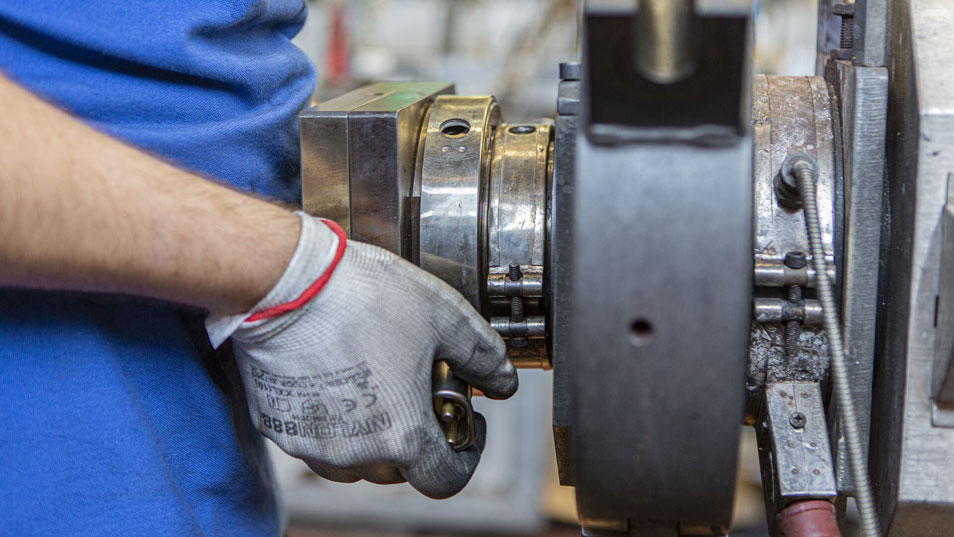
Training
Operators learn the process on the equipment they run, at your plant or in an R&D lab. Sessions are built around your products, materials and tooling.
See training
Consulting
An experienced second opinion on extruders, tooling and downstream equipment before you spend. Includes vendor selection, purchase negotiation support and on-site project management for installs and start-ups.
See consulting
Engineering
Die design and development, flow analysis, die improvements, troubleshooting and product development, carried through to a process that runs on the floor.
See engineering
Extrusion plants rarely make one thing. GBET works across the product families below, and across the materials, tooling and downstream equipment each one needs.
Insulating and jacketing for building wire, power, communication and specialty cable. This is where GBET started and where most of its work still is.
$230.9B
global market, 2025
View
Single-lumen, multi-lumen and micro-extruded tubing, where tolerances are tight and every material behaves differently.
$12.9B
global market, 2025
View
Mono-wall and multilayer tubing for fuel, fluid, air and industrial service, plus sheathing of hose and other substrates.
$16.6B
automotive hoses, 2025
View
Two to five layers in one pass: layer uniformity, material pairing, tooling design and start-up practice.
5 layers
run in a single pass
View
Market sizes: Grand View Research (wire and cable, medical tubing) and Stratview Research (automotive hoses). Full sources on the industry data page.
Extrusion industry data
Grid build-out, medical devices and vehicle electrification are all pulling on extrusion capacity, while the people who know how to run a line are retiring. That gap is where training pays for itself.
Sources: Grand View Research: wire and cable; medical tubing; plastic pipe; plastic extrusion machines; extruded plastics. Forecast periods run 2026 to 2033, except extruded plastics (2024 to 2030). Estimates differ between publishers.
44.8
Median age of workers in US plastics and rubber products manufacturing, against 42.1 for all employed workers.
“Extrusion is a trade: a combination of science, experience and art.”
Extruder operator, quality control, production scheduling, floor management, process engineering, R&D and operations management. Gene has done each job, so a problem gets looked at from every level of the operation.
The extruder is one part. Auxiliary equipment, tooling, raw materials, equipment condition and operating practices all decide productivity and quality, so all of them get checked.
Training is hands-on, on your plant floor or in an R&D lab, and built around the products and materials you actually run.
What are the constraints? What can be changed? What must be managed as it is? Every project works from those questions to a fix the floor can run.
A sample of what customers have asked for lately. Details are kept general out of respect for the customers involved.
Tooling
Design and build of a multiple-plate profile die with dry sizing calibration plates, for a co-extruded PVC electrical wire tray. A first for GBET.
Product development
A 0.750 in. core insulated with several thermoplastic layers and a fluoropolymer jacket, 2.1 in. finished diameter, built in one pass on reels three miles long.
Due diligence
Several first-time customers asked for due diligence before stepping into wire and cable production: the products, the equipment and what it takes to run them.
Troubleshooting
Material would not convey on a new line. The cause was tooling the plant had never run: land lengths, draw-down ratio and die gap were restricting the feed. The tool set was modified and the line ran.
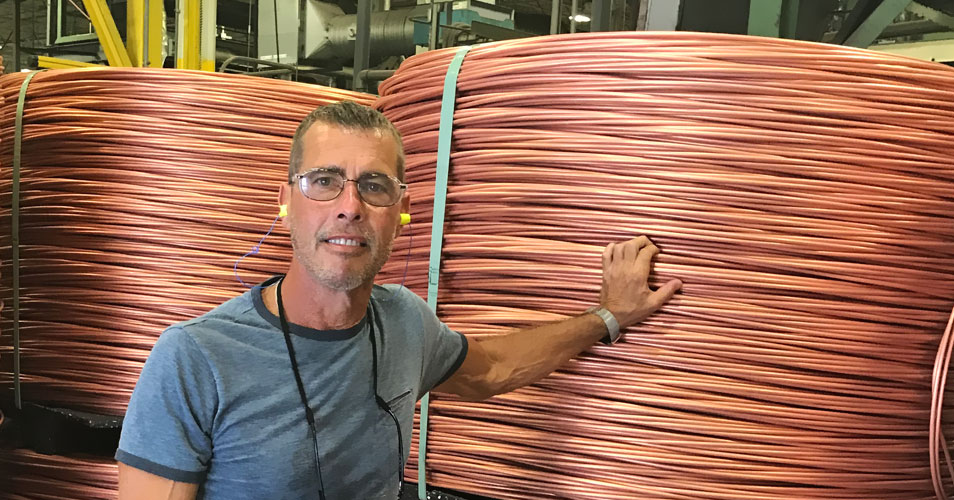
His first job in a Louisiana building wire plant was shovelling copper mud. Within five years he had worked as an extrusion operator, quality control inspector, production scheduler and supervisor.
Three more cable manufacturers followed, then technical sales and running the R&D laboratory of an extrusion tooling company, where customer trials covered nearly every round thermoplastic product there is. He founded Gene Brown Extrusion Techniques to pass that on.
Short answers to what comes up in a first call. The full FAQ covers each market, region and process in more depth.
GBET provides hands-on extrusion training, consulting on extrusion processes and equipment selection, help with vendor selection and purchasing negotiations, and on-site project management for installations and start-ups. The work also covers die design, flow analysis, troubleshooting and product development.
Wire and cable, medical tubing, industrial and automotive tubing, co-extrusion and multilayer products with up to five layers, tandem lines, micro-extrusion and the sheathing of various substrates. Experience runs from half-inch extruders processing under a pound an hour to 6 and 8 inch machines producing thousands of pounds an hour.
At your facility or in an R&D lab. Depending on the people involved, it usually works best on the plant floor, on the equipment your operators run every day.
Yes. GBET carries out due diligence for companies entering wire and cable and other extrusion manufacturing, then helps with equipment selection, vendor selection, purchasing negotiations and project management through installation and start-up.
With a conversation about what you need, what your limits are and what success looks like. The scope is then defined, remotely or at your facility, and that includes the variables: operating parameters, material data sheets, screw and tooling details.
No. GBET is based in Florida and works on site at customer plants. Gene has worked in plants across the United States and abroad.
Gene Brown on why he started Gene Brown Extrusion Techniques, how a project gets defined, and a feed problem on a new line that came down to land length, draw-down ratio and die gap.
How to track down sporadic sparker blows on a tandem insulating line: what to verify first, six checks to make while the line is still running, and how to locate the fault once it is shut down. By Gene Brown, first published in Wire Journal International.
Tell us about the line, the product and the problem. Gene reads every inquiry himself and replies with questions, not a brochure.
We use cookies to improve your experience on our site. By using our site, you consent to cookies.
Manage your cookie preferences below:
Essential cookies enable basic functions and are necessary for the proper function of the website.
You can find more information in our Cookie Policy.